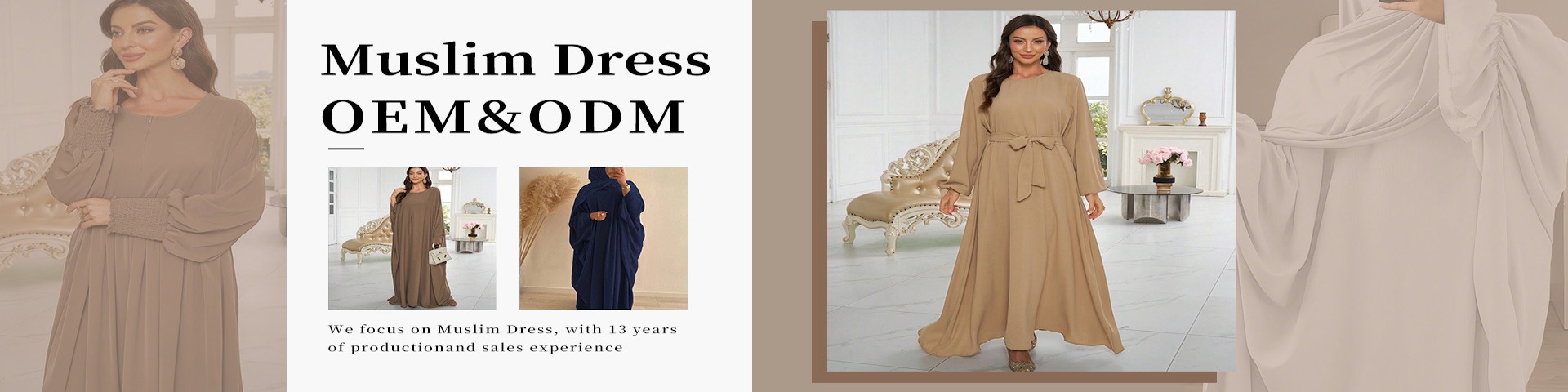
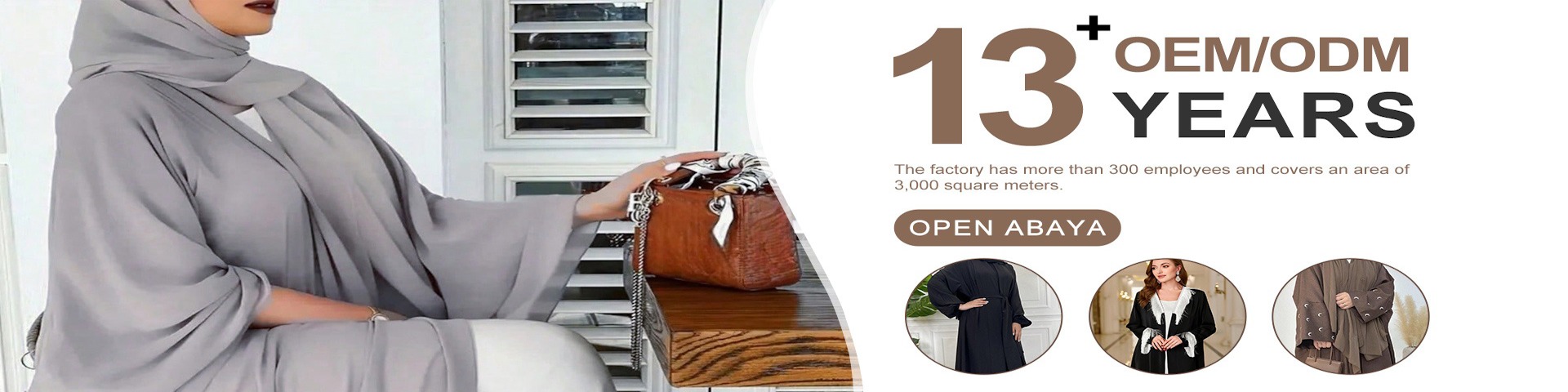
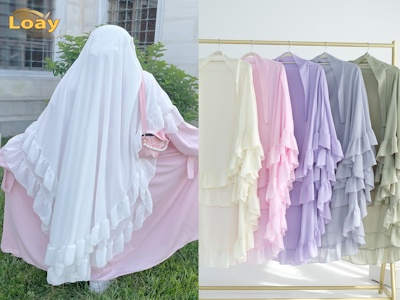
В мире дизайна и творчества мало что может сравниться с магией складок. Эти, казалось бы, простые изгибы ткани или материала обладают невероятной силой — они способны превратить обычный продукт в произведение искусства. Представьте себе: вы держите в руках простую хлопковую рубашку. Она функциональна, удобна, но... скучна. Теперь добавьте несколько искусно расположенных складок — и вот перед вами уже не просто одежда, а элемент высокой моды, который говорит о вашем стиле и изысканности. Или возьмем домашний текстиль: обычные шторы могут стать драматичным акцентом в интерьере, если использовать технику складывания. Это не просто деталь; это преобразование, которое затрагивает суть продукта, делая его уникальным и запоминающимся.
Складки — это больше, чем просто физическая характеристика; они несут в себе историю, эмоции и культурный контекст. В древности, например, в греческих и римских туниках, складки использовались для подчеркивания статуса и красоты. Сегодня же, в эпоху массового производства, они стали символом ручной работы, индивидуальности и инноваций. Почему же складки так мощно влияют на наши продукты? Ответ кроется в психологии восприятия: человеческий глаз естественным образом притягивается к текстуре и объемам, которые создают складки. Они добавляют глубину, движение и характер, превращая плоское и однообразное в живое и выразительное.
В этой статье мы погрузимся в увлекательный мир складок, исследуя, как они меняют продукты в различных сферах — от моды и дизайна интерьера до упаковки и beyond. Вы узнаете о техниках создания складок, исторических примерах, современных тенденциях и практических советах, как применить это искусство в своих проектах. Готовы открыть для себя секреты, которые превратят ваши творения в настоящие шедевры? Тогда давайте начнем это путешествие вместе!
Складки имеют богатую историю, уходящую корнями в глубь веков. В Древнем Египте, например, льняные одежды часто украшались сложными складками, символизирующими богатство и религиозную значимость. Греки и римляне elevовали складки до уровня искусства — вспомните статуи с их идеально переданными складками тканей, которые казались почти живыми. Эти произведения не просто изображали одежду; они передавали эмоции, движение и божественную сущность. В Средневековье складки стали атрибутом церковных облачений, подчеркивая торжественность и духовность. Эпоха Возрождения принесла новый расцвет: художники like Леонардо да Винчи и Микеланджело использовали складки для создания реализма и драмы в своих работах.
Переход к современности ознаменовался индустриализацией, но складки не потеряли своей актуальности. В XIX веке, с появлением швейных машин, стало возможным массовое производство одежды со складками, что democratизировало моду. XX век увидел взлет авангардных дизайнеров, such as Мадлен Вионне, которая revolutionизировала моду своими bias cut складками, создавая платья, которые облегали тело как вторая кожа. Сегодня, в цифровую эпоху, складки continue to evolve — 3D-печать и компьютерное моделирование позволяют создавать невероятные структуры, которые ранее были невозможны. Эта эволюция показывает, что складки — не просто техника, а living tradition, которая адаптируется к времени, оставаясь вечной.
Человеческий мозг wired to respond to patterns and textures, and folds are a prime example. Studies in neuroscience show that our eyes are naturally drawn to areas of contrast and complexity, which folds provide abundantly. They create a sense of rhythm and harmony, making products feel more dynamic and engaging. For instance, in fashion, a dress with intricate pleats can evoke feelings of elegance and sophistication, while in interior design, folded curtains add a touch of drama and warmth to a room. This psychological impact is not accidental; it's rooted in our evolutionary past, where texture often indicated quality, safety, or beauty.
Moreover, folds can tell a story. In a world saturated with generic products, folds add a narrative element — they suggest craftsmanship, attention to detail, and a human touch. Consumers today crave authenticity, and folds deliver that by making items feel handmade and unique. This emotional connection can transform a simple purchase into a meaningful experience, increasing perceived value and loyalty. In marketing, leveraging folds can enhance brand identity, as seen with luxury brands like Hermès or Issey Miyake, where folds are synonymous with innovation and artistry.
Создание складок — это искусство, требующее skill и creativity. Традиционные методы включают ручное pleating, где ткань складывается и закрепляется утюгом или stitching. Например, в японском искусстве оригами-inspired folding, известном как «оригами текстиль», мастера создают сложные patterns без клея или ниток. Другой classic technique — smocking, используемый в детской одежде для добавления elasticity и декора. С развитием технологий, появились инновационные approaches: лазерная резка позволяет создавать precise складки на различных materials, от кожи до бумаги, while 3D-printing enables the production of folds in hard materials like plastic or metal, opening up new possibilities in product design.
Для домашних умельцев, простые techniques like accordion folds или box pleats can be easily mastered with practice. Tools such as pleating boards or heat presses help achieve consistent results. In digital design, software like CAD programs allow designers to simulate folds before production, reducing waste and ensuring perfection. The key is to experiment — try different fabrics (e.g., silk for soft folds, denim for structured ones) and contexts to discover what works best for your product. Remember, the goal is not just to add folds, but to enhance the product's functionality and aesthetics.
Мода — это perhaps the most visible domain where folds work their magic. From the graceful pleats of a Greek chiton to the avant-garde designs of contemporary runways, folds have always been a staple. They can alter the silhouette of a garment, creating volume where there is none or emphasizing curves. For example, a pleated skirt adds movement and femininity, while folded details on a jacket can convey a sense of structure and authority. Accessories like folded handbags or scarves benefit from folds by becoming more functional (e.g., folds can create pockets or compartments) and visually appealing.
Iconic examples abound: Issey Miyake's Pleats Please line revolutionized ready-to-wear with permanently pleated garments that are lightweight, wrinkle-resistant, and endlessly stylish. Similarly, in haute couture, designers like Cristóbal Balenciaga used folds to sculpt clothing into architectural wonders. The sustainability angle is also crucial — folds can reduce fabric waste by allowing designers to use smaller pieces creatively, and they often make garments more durable and easy to care for. For consumers, investing in folded fashion means owning pieces that stand the test of time, both in style and quality.
В интерьере складки can transform mundane spaces into immersive environments. Think of curtains: by using fold techniques like pinch pleats or goblet folds, you can control light, add texture, and create a focal point. Upholstery with folded details, such as tufted sofas or pleated cushions, introduces comfort and elegance. Even in hard surfaces, folds can be mimicked through materials like folded metal screens or textured wallpapers, adding depth without clutter. This approach is especially valuable in small spaces, where folds can create the illusion of more room through visual interest.
Historical interiors, like those of the Baroque period, relied heavily on folds in drapery and tapestries to convey opulence. Today, minimalist trends often incorporate subtle folds to avoid starkness — for instance, a folded linen bedspread can make a bedroom feel cozy and inviting. DIY enthusiasts can try projects like folding paper lampshades or origami-inspired wall art to personalize their homes. The key is balance: too many folds might feel chaotic, while too few can seem bland. Experiment with scale and placement to find what enhances your space's harmony.
Упаковка — это often the first touchpoint with a product, and folds can make it memorable. From gift wrapping with intricate origami folds to luxury boxes with folded inserts, these details signal care and quality. In product design, folds can improve functionality: for example, folded edges on a notebook make it more durable, or folded patterns on a smartphone case add grip and style. In the food industry, folded packaging like those for chocolates or teas can enhance preservation and presentation, turning everyday items into gourmet experiences.
Brands that excel in this include Apple, with its meticulously folded product manuals, or Japanese furoshiki cloths used for eco-friendly wrapping. The sustainability aspect is huge — folded designs often use less material and are easier to recycle. For entrepreneurs, incorporating folds into packaging can differentiate products in a crowded market, as consumers are more likely to choose items that feel special and well-crafted. Simple ideas like folded tags or labels can add a personal touch without significant cost.
Чтобы начать использовать складки, начните с малого. Для моды: experiment with pre-pleated fabrics or add folds to existing garments through alterations. In interior design, try folding textiles like throws or rugs to create layers. For packaging, practice basic origami folds on paper to develop skills. Tools like rulers, pins, and irons are essential for precision. Remember to consider the material — some fabrics hold folds better than others; for instance, wool is great for structured pleats, while cotton might require starch for permanence.
Draw inspiration from nature: folds are everywhere, from leaves to ocean waves. Keep a sketchbook to jot down ideas and observe how folds behave in different contexts. Online tutorials and courses can provide step-by-step guidance. Most importantly, don't be afraid to make mistakes — folds are forgiving and often lead to happy accidents that spark creativity. Whether you're a professional designer or a hobbyist, adding folds can elevate your work from ordinary to extraordinary.
В заключение, складки — это могущественный инструмент в арсенале любого креатора. Они соединяют прошлое и будущее, tradition и innovation, добавляя глубину, emotion и value к products. От моды до интерьера, от упаковки до искусства, складки have the power to turn the mundane into the magnificent. By embracing this technique, you not only enhance aesthetics but also contribute to a more sustainable and personalized world. So, take that first fold — and watch as your creations unfold into true masterpieces.
Спасибо, что прочитали эту статью. Если у вас есть вопросы или вы хотите поделиться своими projects, не стесняйтесь обращаться. Удачи в вашем творческом journey!