
В мире, где функциональность часто преобладает над формой, мягкие складки представляют собой утонченное напоминание о том, как искусство может проникать в самые обыденные аспекты нашей жизни. От драпированных тканей в интерьере до элегантных складок на одежде, эти плавные изгибы не только служат практическим целям, но и несут в себе глубокую эстетическую ценность, превращая повседневность в холст для творческого выражения. В этой статье мы погрузимся в философию мягких складок, исследуем их исторические корни, современные применения и то, как они обогащают наше восприятие красоты в обыденном.
Искусство часто ассоциируется с галереями, музеями и великими произведениями, но истинная его сила заключается в способности преображать повседневность. Мягкие складки – это micro-искусство, которое окружает нас постоянно: в складках занавесок, играющих со светом; в складках платья, подчеркивающих движение; в складках постельного белья, создающих уют. Эти элементы не просто функциональны – они являются проявлением human touch, напоминая о ручной работе, внимании к деталям и стремлении к гармонии. В эпоху массового производства и минимализма, мягкие складки выступают как антитеза жесткости, привнося fluidity и эмоциональную глубину в наше окружение.
Философски, складки можно рассматривать через призму работ мыслителей like Жиля Делёза, который в своей книге "Складка: Лейбниц и барокко" explored складку как metaphor для непрерывности и variation в universe. Similarly, в повседневности, мягкие складки symbolize гибкость, adaptability и beauty imperfection – concepts that resonate deeply in contemporary culture, where authenticity and organic forms are increasingly valued.
История мягких складок уходит корнями в глубокую древность. В Древней Греции и Риме, драпированные ткани были неотъемлемой частью одежды и интерьера, символизируя статус и эстетическое чувство. Греческие хитоны и римские тоги с их сложными складками демонстрировали мастерство ткачества и art of draping, которые передавались через generations. В средние века, складки в церковных облачениях и гобеленах служили not only decorative purposes but also narrative ones, telling stories through their folds and shadows.
Эпоха Возрождения brought a renewed focus on realism and human form, with artists like Leonardo da Vinci and Michelangelo capturing the delicate folds of fabrics in their paintings, emphasizing how light and shadow interact with texture. This attention to detail laid the groundwork for modern fashion and interior design, where складки continue to be a key element. В 20 веке, designers such as Madeleine Vionnet revolutionized fashion with bias-cut garments that celebrated the natural drape of fabric, creating iconic looks that are still influential today.
In contemporary times, the appreciation for мягкие складки has evolved with advancements in materials and technology. From synthetic fabrics that hold intricate pleats to digital design tools that simulate drape, the art of folding has become more accessible yet remains deeply rooted in tradition. This historical journey shows how складки have transcended time, adapting to cultural shifts while maintaining their aesthetic appeal.
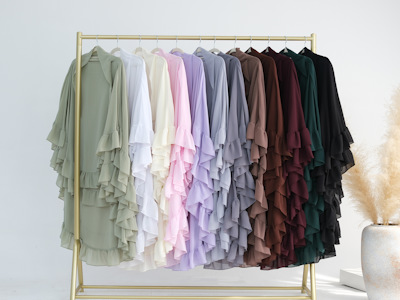
Эстетика мягких складок multifaceted, engaging both the visual and tactile senses. Visually, складки create dynamic patterns that change with movement and light, offering a ever-shifting canvas that captivates the eye. The interplay of shadows and highlights within folds adds depth and dimension, transforming flat surfaces into lively compositions. This is evident in interior design, where curtains with soft folds can make a room feel more inviting and dynamic, or in fashion, where a pleated skirt seems to dance with every step.
Tactilely, мягкие складки invite touch, evoking a sense of comfort and luxury. The texture of folded fabric – whether it's the smoothness of silk or the coziness of wool – enhances the sensory experience, making everyday objects more engaging. Psychological studies have shown that textures can influence emotions, and soft, irregular folds often associate with warmth, safety, and creativity, contrasting with the coldness of rigid, straight lines.
Moreover, the aesthetics of folds align with principles of wabi-sabi, the Japanese concept of finding beauty in imperfection and transience. Неидеальные, органичные складки celebrate the uniqueness of each moment, reminding us to appreciate the fleeting nature of beauty. This philosophical layer adds richness to the simple act of folding, elevating it from mere technique to an art form that nurtures the soul.
В моде, мягкие складки have long been a tool for expression and innovation. From the intricate pleats of ancient garments to the avant-garde designs of contemporary fashion houses, складки allow designers to play with volume, shape, and movement. Iconic examples include the works of Issey Miyake, whose Pleats Please collection transformed polyester into lightweight, durable folds that redefine wearable art. These designs not only highlight the technical prowess behind folding but also empower wearers to express their individuality through fluid, dynamic forms.
Складки в моде also reflect cultural values. In many traditions, such as the Indian sari or Japanese kimono, the way fabric is folded and draped carries symbolic meaning, representing respect, elegance, or social status. In Western fashion, the resurgence of ruffles and gathers in recent years speaks to a desire for romance and nostalgia, countering the minimalist trends of the past decades.
Practically, мягкие складки offer functional benefits, such as ease of movement and adaptability to different body types. This combination of aesthetics and utility makes folds a perennial favorite in fashion, continuously reinvented through new materials and techniques. As sustainability becomes a priority, designers are exploring zero-waste cutting methods that incorporate folds to minimize fabric waste, further embedding ethics into the art of folding.
В интерьере, мягкие складки play a crucial role in shaping the ambiance of a space. Textiles with folds – be it in curtains, upholstery, or bedding – add softness and texture that hard surfaces cannot achieve. For instance, heavy drapes with deep folds can create a sense of intimacy and grandeur in a room, while light, flowing fabrics might evoke airiness and calm. The choice of fold style can influence the perceived size and mood of a space, making it a powerful tool for interior designers.
Historically, interior design movements like Baroque and Rococo celebrated opulence through elaborate drapery and folds, whereas Modernism favored cleaner lines. However, today's trends often blend these approaches, using складки to introduce organic elements into minimalist settings. This balance highlights how folds can bridge the gap between tradition and innovation, adding character without overwhelming the design.
Beyond aesthetics, складки in interiors serve practical purposes. They can improve acoustics by absorbing sound, regulate light through variable opacity, and even enhance insulation. In sustainable design, reusable and adaptable folded elements reduce waste and promote longevity. Thus, the integration of мягкие складки into daily environments is not just about beauty; it's about creating functional, harmonious spaces that support well-being.
В повседневной жизни, мягкие складки are ubiquitous, often unnoticed yet profoundly impactful. At home, folded towels on a rack, pleated lampshades, or ruffled pillowcases contribute to a cozy atmosphere that feels personal and cared-for. These small details can transform routine activities into moments of aesthetic pleasure, fostering a sense of mindfulness and appreciation for one's surroundings.
In workspaces, складки can reduce the sterility of office environments. For example, acoustic panels with folded textures can dampen noise while adding visual interest, or ergonomic chairs with draped fabrics promote comfort and creativity. Even in technology, the design of foldable devices like smartphones and laptops draws inspiration from the elegance of physical folds, merging functionality with sleek aesthetics.
The accessibility of DIY culture has democratized the art of folding, with online tutorials teaching people how to create origami, fabric folds, or even culinary presentations that incorporate soft pleats. This empowers individuals to incorporate art into their daily routines, making эстетика повседневности a participatory experience rather than a passive one.
Мягкие складки carry deep cultural and symbolic meanings across different societies. In many Eastern cultures, folds represent humility and respect – for instance, the precise folding of paper in origami or the ceremonial folding of flags. In Western contexts, folds might symbolize complexity and layers of meaning, as seen in literary metaphors or artistic representations.
Symbolically, складки can denote transition and fluidity, reflecting life's constant changes. They often appear in rituals and ceremonies, such as wedding veils or funeral shrouds, underscoring their role in marking significant life events. This symbolic weight adds a layer of depth to everyday uses, reminding us that even the simplest fold can connect to broader human experiences.
In contemporary art, artists like Christo and Jeanne-Claude have used massive folded fabrics to transform landscapes, highlighting how складки can challenge perceptions of space and scale. These projects demonstrate the transformative power of folds, blurring the lines between art and everyday life and inspiring viewers to see the extraordinary in the ordinary.
Мягкие складки, в их myriad forms, are a testament to the enduring power of art in everyday life. They remind us that beauty is not confined to museums but is woven into the fabric of our daily existence – in the clothes we wear, the spaces we inhabit, and the objects we touch. By embracing the aesthetics of folds, we cultivate a deeper connection to our environment, fostering creativity, comfort, and a sense of wonder.
As we move forward in an increasingly digital and standardized world, the organic, imperfect nature of мягкие складки offers a refreshing counterbalance. They encourage us to slow down, appreciate details, and find joy in the fluidity of life. Whether through conscious design choices or simple acts of folding, we can all participate in this art form, enriching our повседневность with moments of elegance and meaning.
In essence, мягкие складки are more than just a design element; they are a philosophy – a way of seeing and interacting with the world that celebrates softness, adaptability, and the beauty of the everyday. Let us carry this awareness into our lives, folding not just fabrics, but our experiences into works of art.