
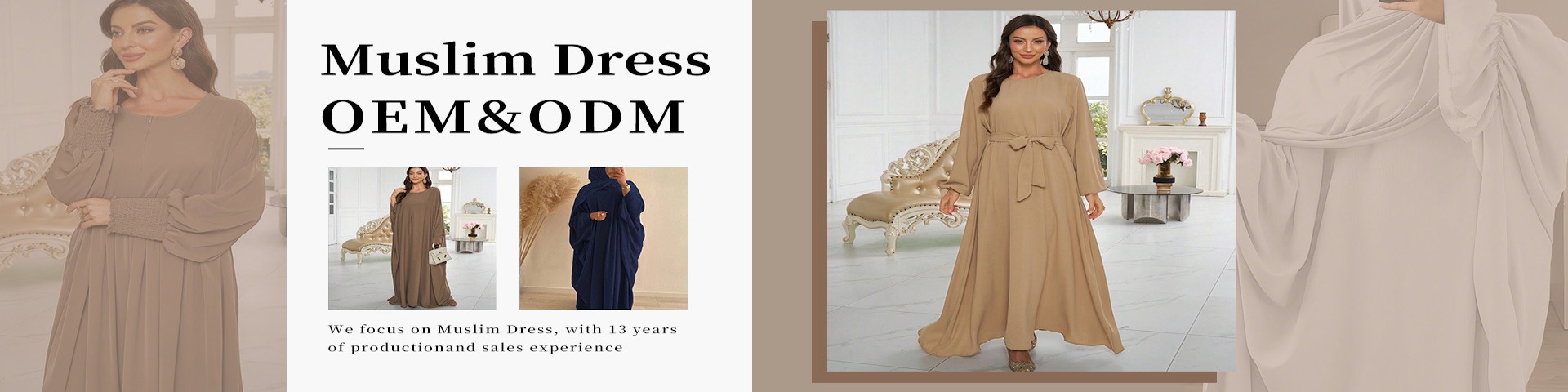
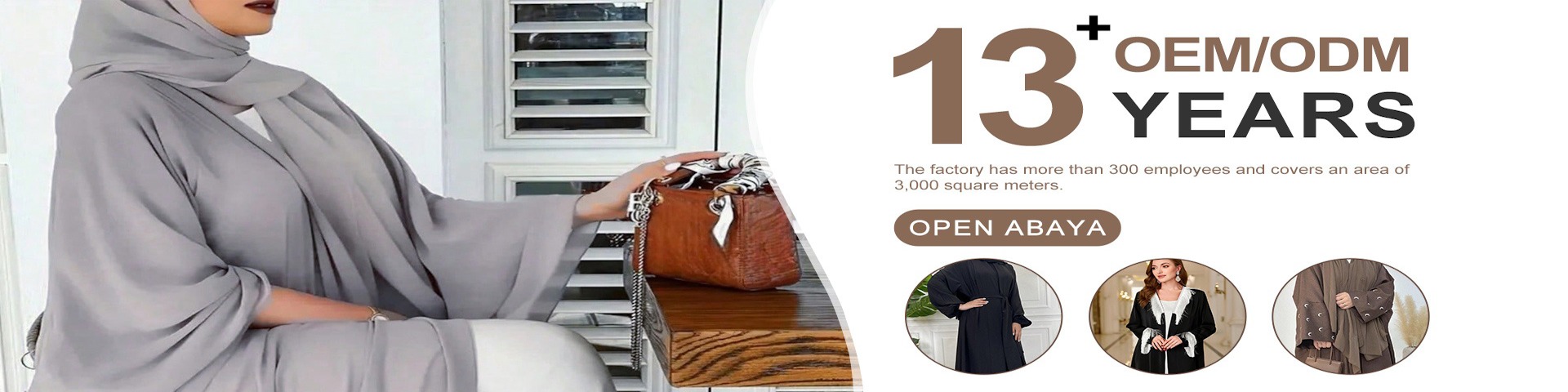

Вы когда-нибудь задумывались, как простая складка на вашей одежде может стать символом экологической революции? В мире, где мода часто ассоциируется с быстрым потреблением и отходами, появляются инновации, которые бросают вызов традиционным представлениям. Экологичные складки — это не просто эстетический элемент; они представляют собой слияние дизайна, технологий и устойчивости. Но действительно ли они способны изменить наше отношение к моде и планете? Давайте углубимся в эту тему и explore, как такие, казалось бы, мелочи могут иметь огромное impact.
Экологичные складки — это техника создания складок в одежде с использованием устойчивых материалов и процессов, которые минимизируют environmental footprint. В отличие от традиционных методов, которые могут involved химические обработки и высокое energy consumption, эти складки often made from recycled fabrics, biodegradable textiles, or through low-impact manufacturing. Но зачем вообще focusing на складках? Оказывается, складки can enhance durability, reduce need for ironing (thus saving energy), and even allow for modular designs that extend garment life. Это raises вопрос: could such small changes in design lead to significant reductions in waste and pollution?
Индустрия моды — один из крупнейших загрязнителей мира, accounting for up to 10% of global carbon emissions and massive water usage. Fast fashion encourages disposable culture, where clothes are worn few times before being discarded. Это приводит к overflowing landfills and microplastic pollution from synthetic fibers. Но is there hope? Экологичные складки symbolise a shift towards circular economy, where every element of clothing is designed with end-of-life in mind. Imagine if all garments had folds that made them easier to repair, reuse, or compost? Это могло бы radically reduce the environmental burden. Но how feasible is this on a large scale?
Современные технологии, such as 3D printing, laser cutting, and bio-based dyes, are enabling creation of folds that are not only beautiful but also sustainable. For example, некоторые бренды используют складки, встроенные в ткань during weaving, eliminating need for additional processing. Другие экспериментируют с smart materials that change shape based on temperature or humidity, reducing need for constant washing and ironing. Но are these technologies accessible to all, or only for luxury brands? И не создают ли они new environmental issues, such as e-waste from embedded electronics? Это поднимает важные вопросы о balance between innovation and sustainability.
Люди often buy clothes for emotional reasons — to express identity, feel confident, or follow trends. Экологичные складки can tap into this by offering unique, customizable designs that tell a story of care for the planet. Но will consumers actually prefer them over cheaper, less sustainable options? Исследования show that while awareness is growing, price and convenience still dominate purchasing decisions. Perhaps if folds become a status symbol of eco-consciousness, they could drive change. Но is that enough, or do we need deeper shifts in values?
Внедрение экологичных складок requires investment in R&D, training, and supply chain changes. Это может increase costs initially, but in long term, it could lead to savings through reduced waste and energy use. Кроме того, это открывает new market opportunities for green brands. Но will governments and corporations support this transition with policies and incentives? Или мы увидим resistance from established industries? Это ключевой момент для будущего устойчивой моды.
Экологичные складки — это больше, чем модный тренд; они represent a paradigm shift towards integrative thinking where design, environment, and society intersect. Они challenge us to ask: can fashion be both beautiful and responsible? Ответ, вероятно, да, но это requires collaboration across sectors — from designers and manufacturers to consumers and policymakers. So, next time you see a fold in your clothing, задумайтесь: could it be a step towards a greener future? Или это просто очередная passing fancy? Only time and our collective actions will tell.
Эта статья призывает к reflection и action. Поделитесь своими мыслями в комментариях — как вы видите роль экологичных складок в преобразовании моды?