
Складчатая ткань, известная своей универсальностью и эстетической привлекательностью, занимает важное место в мире моды, дизайна интерьеров и промышленного производства. В условиях растущего спроса на качественные текстильные материалы, оптовые закупки становятся ключевым фактором для бизнеса, стремящегося к эффективности и конкурентоспособности. Данная статья предлагает комплексный анализ рынка складчатой ткани, фокусируясь на аспектах высокого качества и доступных цен при оптовых покупках. Мы рассмотрим исторические предпосылки, современные тенденции, технологические инновации, а также практические рекомендации для покупателей и производителей. Цель — предоставить читателю глубокое понимание того, как оптимизировать закупки и максимизировать выгоду от сотрудничества с надежными поставщиками.
Складчатая ткань, или ткань со складками, имеет богатую историю, уходящую корнями в древние цивилизации. В Древнем Египте и Греции складки использовались в одежде для подчеркивания статуса и красоты, а в средние века эта техника стала символом роскоши в европейской моде. С развитием текстильной промышленности в XIX веке, механизация позволила массово производить складчатые материалы, сделав их более доступными. В XX веке, с появлением синтетических волокон, таких как полиэстер и нейлон, складчатая ткань стала еще более разнообразной по свойствам и применению. Сегодня, благодаря advancements в технологиях, производители предлагают ткани с прецизионными складками, которые сохраняют форму даже после многократного использования, что делает их идеальными для оптовых закупок в различных отраслях.
Оптовые покупки складчатой ткани предоставляют numerous benefits для businesses. Во-первых, экономия затрат: buying in bulk позволяет снизить цену за единицу продукции на 20-50% compared to retail purchases, благодаря economies of scale. Во-вторых, consistency in quality: оптовые поставщики often maintain strict quality control, ensuring that every meter of fabric meets high standards. Это особенно важно для складчатой ткани, где равномерность складок critical for end-use applications. В-третьих, logistical efficiency: крупные заказы simplify shipping and storage, reducing overhead costs. Additionally, оптовые buyers can negotiate custom orders, such as specific colors or patterns, tailoring the product to their needs. For example, a fashion brand can order large quantities of pleated fabric for a seasonal collection, ensuring timely production and market responsiveness.
Высокое качество складчатой ткани определяется несколькими factors. Material composition: натуральные волокна, like cotton or silk, offer breathability and luxury, while synthetic fibers, such as polyester, provide durability and ease of care. The manufacturing process: advanced pleating machines ensure precise and consistent folds, resistant to unraveling. Testing standards: fabrics should undergo tests for color fastness, tensile strength, and shrinkage to guarantee longevity. For instance, a high-quality pleated fabric will maintain its shape after washing and wearing, making it suitable for applications like evening wear or upholstery. Certifications from organizations like Oeko-Tex or ISO can serve as indicators of quality, assuring buyers of safety and sustainability.
Достижение доступных цен without compromising quality requires strategic approaches. Sourcing from regions with lower production costs, such as Asia or Eastern Europe, can reduce expenses. Bulk purchasing directly from manufacturers eliminates middlemen markups. Utilizing economies of scale: larger orders spread fixed costs over more units, lowering the per-unit price. Negotiating payment terms, such as discounts for early payments or long-term contracts, can further reduce costs. Additionally, opting for blended fabrics (e.g., cotton-polyester mixes) can offer a cost-effective alternative to pure materials while maintaining acceptable quality. For example, a decor company can source pleated fabric in bulk from a Turkish manufacturer, benefiting from competitive pricing and reliable quality.
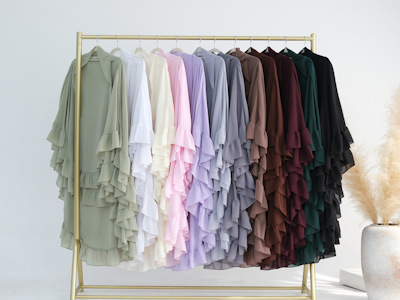
Складчатая ткань finds applications across multiple sectors. In fashion: it is used for dresses, skirts, and accessories, adding texture and movement to designs. Prominent designers often incorporate pleated elements in their collections for a sophisticated look. In interior design: pleated fabrics are ideal for curtains, lampshades, and upholstery, providing a elegant and functional solution. They can enhance acoustics in spaces like theaters or offices. In industrial contexts: pleated materials are used in filters or protective gear due to their increased surface area and durability. Case studies show that businesses investing in bulk pleated fabric for uniforms or home decor items see improved customer satisfaction and reduced replacement costs.
Современные технологии revolutionize the production of pleated fabric. Computer-aided design (CAD) allows for precise pattern creation, enabling complex pleat designs that were previously impossible. Automated pleating machines increase efficiency and consistency, reducing human error and labor costs. Innovations in dyeing and finishing processes, such as digital printing or eco-friendly treatments, enhance the fabric's appeal and sustainability. For instance, 3D pleating technology can create multidimensional textures, opening new possibilities for creative applications. These advancements not only improve quality but also help lower production costs, making high-quality pleated fabric more accessible for wholesale buyers.
The global market for pleated fabric is growing, driven by demand from the fashion and interior design industries. In 2023, the market was valued at approximately $5 billion, with a projected CAGR of 4.5% over the next five years. Regions like Asia-Pacific lead in production due to cost advantages, while Europe and North America focus on high-end, sustainable products. Trends include a shift towards eco-friendly materials, such as recycled polyester or organic cotton, and customization through on-demand manufacturing. Locally, factors like cultural preferences and economic conditions influence demand. For example, in Russia, there is a rising interest in pleated fabric for traditional and modern applications, creating opportunities for wholesalers to cater to this niche.
Choosing the right wholesale supplier is crucial for success. Evaluate suppliers based on their reputation, experience, and client reviews. Request samples to assess quality firsthand—check for consistency in pleats, color, and texture. Inquire about their production capacity and lead times to ensure they can meet your volume requirements. Consider sustainability practices; suppliers with certifications like GOTS or Bluesign are preferable for environmentally conscious businesses. Negotiate terms clearly, including pricing, payment methods, and return policies. Building long-term relationships can lead to better deals and reliable service. For instance, a startup fashion brand might partner with a mid-sized manufacturer offering flexible minimum order quantities and support for design customization.
Оптовые закупки складчатой ткани have significant economic and environmental implications. Economically, they support local and global economies by creating jobs and fostering trade. However, it's essential to consider the carbon footprint of transportation; sourcing regionally can mitigate environmental impact. Environmentally, the textile industry is a major polluter, so opting for sustainable options—such as fabrics made from recycled materials or produced with low-water techniques—can reduce harm. Lifecycle assessments show that high-quality, durable pleated fabric has a lower environmental impact over time due to less frequent replacement. Businesses that prioritize sustainability often gain a competitive edge and appeal to eco-conscious consumers.
For buyers looking to purchase pleated fabric wholesale, start by defining your needs: determine the required quantity, type of fabric (e.g., synthetic vs. natural), and intended use. Research multiple suppliers and compare quotes—use online platforms like Alibaba or industry trade shows to find options. Plan your budget, accounting for not just the fabric cost but also shipping, taxes, and potential custom duties. Place a trial order before committing to large volumes to test quality and reliability. Maintain open communication with suppliers to address any issues promptly. Additionally, stay informed about market trends to anticipate demand shifts. For example, if you're in the event planning business, stocking up on pleated fabric during off-peak seasons can secure better prices.
The future of pleated fabric looks promising, with opportunities driven by innovation and changing consumer preferences. Advancements in smart textiles could integrate pleated fabrics with technologies like sensors for interactive clothing or adaptive interiors. The push towards circular economy models will encourage recycling and upcycling of pleated materials. Geopolitical factors, such as trade policies, may affect sourcing strategies, prompting businesses to diversify their supply chains. For wholesalers, investing in digital tools for inventory management and customer engagement will be key to staying competitive. Ultimately, the combination of high quality and affordable prices will continue to make pleated fabric a valuable commodity, with growth potential in emerging markets and niche applications.
В заключение, оптовые закупки складчатой ткани предлагают unparalleled advantages in terms of cost, quality, and versatility. By understanding the historical context, technological advancements, and market dynamics, businesses can make informed decisions that enhance their profitability and sustainability. Whether in fashion, interior design, or industry, high-quality pleated fabric at accessible prices remains a cornerstone of innovation and style. As the market evolves, embracing trends like sustainability and customization will ensure long-term success. We encourage readers to leverage the insights from this article to optimize their procurement strategies and explore the endless possibilities that pleated fabric has to offer.
Для дополнительной информации или запросов о оптовых закупках, свяжитесь с экспертами в отрасли или посетите специализированные выставки текстиля. Инвестируйте в качество сегодня для уверенного завтра!