
В современном быстром ритме жизни многие сталкиваются с проблемой поддержания идеального вида одежды, особенно когда речь идет о жестких складках, которые придают костюмам, брюкам или юбкам элегантный и профессиональный вид. Традиционно для этого используется утюг, но что делать, если утюга нет под рукой, или вы просто хотите избежать его использования из-за риска повреждения тканей или экономии времени? В этой статье мы подробно рассмотрим различные методы создания идеальных жестких складок без утюга, основанные на практическом опыте, научных принципах и народных хитростях. Мы обсудим, как использовать вешалки, пресс для одежды, правильную стирку и сушку, а также DIY-подходы, которые помогут вам достичь безупречного результата в домашних условиях.
Жесткие складки на одежде — это не просто эстетический элемент; они символизируют аккуратность, дисциплину и внимание к деталям. В деловой среде, на официальных мероприятиях или даже в повседневной жизни хорошо отутюженная одежда с четкими складками может повысить уверенность в себе и произвести положительное впечатление на окружающих. Однако использование утюга имеет свои недостатки: он может повредить деликатные ткани, привести к выцветанию цвета или даже вызвать ожоги, если не соблюдать осторожность. Кроме того, утюг требует времени и энергии, что не всегда удобно в условиях нехватки времени. Поэтому поиск альтернативных методов не только практичен, но и экономически выгоден. В следующих разделах мы углубимся в детали каждого метода, объясняя, как они работают и почему они эффективны.
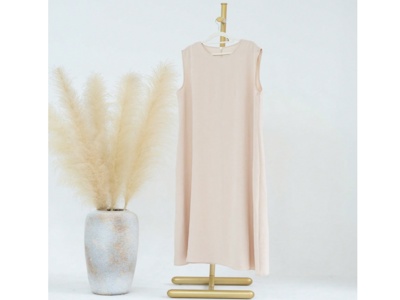
Один из самых простых и доступных способов создать жесткие складки без утюга — это использование вешалок. Этот метод основан на принципе гравитации и давления, которое одежда оказывает на себя при правильном размещении. Для начала выберите прочную вешалку, preferably деревянную или пластиковую с широкими плечиками, чтобы распределить вес evenly. После стирки одежды, пока она еще slightly damp, аккуратно развесьте ее на вешалке, ensuring that the areas where you want creases are smooth and flat. For pants or skirts, use clip hangers to hold the fabric in place, focusing on the crease lines. Over time, as the clothing dries, the weight will naturally form sharp creases. To enhance this, you can add light weights, such as small bags of rice or specialized hanger weights, along the crease lines. This method is particularly effective for wool, cotton, or synthetic blends, as these materials hold shape well. Experiment with different hanging durations; overnight drying often yields the best results. Remember to avoid overcrowding in the closet, as this can prevent proper air circulation and reduce effectiveness.
Пресс для одежды — это специализированное устройство, designed to create sharp creases without heat, making it an excellent alternative to an iron. It works by applying even pressure to the fabric, compressing it into a desired shape. To use a clothes press, first ensure the garment is clean and slightly damp for better results. Place the clothing item between the press plates, aligning the crease lines precisely. Apply pressure according to the manufacturer's instructions, typically for several minutes or hours, depending on the fabric thickness. For home use, you can improvise with heavy books or boards placed on top of the clothing, but a dedicated press offers more consistency. This method is ideal for formal wear like suits or dresses, as it provides uniform creases without risk of damage. The science behind it involves the plasticity of fibers under pressure; over time, the fabric memorizes the crease, especially if treated repeatedly. Invest in a quality press if you frequently need perfect creases, as it can save time and effort in the long run.
Стирка и сушка играют crucial role in setting creases without an iron. Start by washing the clothing in cold water with a mild detergent to prevent shrinkage or damage. After washing, do not wring the fabric; instead, gently squeeze out excess water and shape the garment while it's wet. For creases, fold the clothing along the desired lines and place it in the dryer on a low heat setting or air dry. Adding a fabric softener or starch spray during the rinse cycle can help stiffen the fibers, making creases more pronounced. When drying, remove the clothing while it's still slightly damp and hang it immediately to set the creases naturally. Alternatively, use dryer balls or clean tennis balls in the dryer to agitate the fabric and enhance crease formation through mechanical action. This method leverages the thermal and mechanical energy of the drying process to imprint creases, similar to how ironing works but without direct heat. It's effective for everyday items like shirts and trousers, and with practice, you can achieve near-ironed results.
Для тех, кто prefers budget-friendly options, DIY methods can be highly effective. One popular trick is to use a mixture of water and white vinegar or lemon juice; spray it lightly on the crease areas, then smooth and fold the fabric, allowing it to dry naturally. The acidity helps break down fibers slightly, making them more pliable for creasing. Another idea is to employ hair straighteners or curling irons on low heat for small areas, but caution is needed to avoid burns. For a no-heat approach, try using binder clips or paper clips to hold the crease in place while the garment air-dries. You can also create a makeshift press by placing the clothing between two flat surfaces, such as books or boards, and applying weight overnight. These methods are based on simple physics and chemistry, utilizing moisture, pressure, and time to achieve desired results. They are perfect for emergency situations or for people who enjoy hands-on solutions. Always test on a small, inconspicuous area first to ensure compatibility with the fabric.
Different fabrics respond uniquely to creasing methods, so it's essential to tailor your approach. For natural fibers like cotton and linen, which crease easily, methods involving moisture and pressure work best. Wool requires gentle handling; avoid excessive moisture to prevent shrinkage, and use light weights or hanging. Synthetic fabrics such as polyester or nylon are less prone to creasing but can benefit from starch sprays or DIY solutions. Delicate materials like silk or lace should be treated with care; prefer air-drying and minimal manipulation to avoid damage. Always check care labels on clothing for specific instructions. Additionally, storing clothing properly—folded or hung with creases in mind—can help maintain sharp lines between wears. Regular maintenance, such as brushing off dust and avoiding overcrowding in closets, will prolong the life of your creases and keep your wardrobe looking pristine.
В заключение, создание идеальных жестких складок без утюга не только возможно, но и может стать routine part of your clothing care. By experimenting with hanging, pressing, washing techniques, and DIY methods, you can achieve professional-looking results without the hassles of ironing. Remember, consistency is key; the more you practice these methods, the better you'll become at judging what works for your specific garments. Embrace these alternatives as a way to save time, protect your clothes, and add a touch of creativity to your daily routine. Whether you're preparing for a重要 meeting or simply want to look your best, these tips will empower you to maintain impeccable style with ease. Start today by trying one method on a favorite item of clothing, and enjoy the satisfaction of perfect creases, iron-free!