
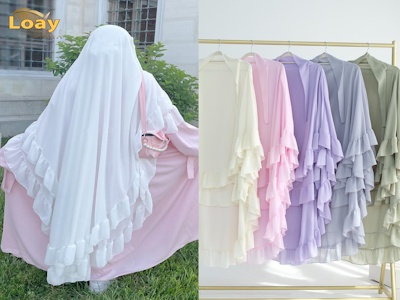
Современное искусство часто вызывает споры и дебаты, особенно когда речь идет о, казалось бы, простых формах, таких как многоцветные складки. В этой статье я погружаюсь в глубины этой темы, исследуя, можно ли считать такие произведения истинным искусством, или они — всего лишь плод моды и коммерциализации. Мой анализ основан на личных размышлениях, опыте наблюдения за искусством и диалогах с художниками и критиками.
Многоцветные складки — это техника в живописи или скульптуре, где используются плавные переходы цветов, создающие иллюзию объема и движения. Часто это связано с абстрактным искусством, где форма и цвет доминируют над реалистичным изображением. Например, работы художников, использующих акриловые краски для создания градиентов, могут вызывать у зрителя чувство гармонии или, наоборот, диссонанса.
"Искусство — это не то, что вы видите, а то, что вы заставляете видеть других." — Эдгар Дега. Эта цитата подчеркивает, что суть искусства lies в его способности provoke эмоции и мысли, независимо от простоты формы.
Чтобы понять место многоцветных складок в искусстве, важно оглянуться назад. В классическом искусстве, таком как работы Леонардо да Винчи, складки одежды использовались для передачи реализма и эмоций. Однако в XX веке, с rise абстракционизма, художники like Василий Кандинский или Марк Ротко начали экспериментировать с цветом и формой, отходя от фигуративности. Это laid основу для contemporary интерпретаций, где складки became метафорой для внутренних состояний.
В 1960-х годах, с развитием поп-арта и минимализма, искусство стало более доступным и sometimes провокационным. Многоцветные складки могут быть seen как continuation этой тенденции — using простые elements to challenge восприятие.
Один из key arguments в пользу многоцветных складок как искусства — их эстетическая appeal. Плавные transitions between colors can create a sense of calm or excitement, depending on the palette. For instance, a work with warm colors like red and orange might evoke passion, while cool blues and greens suggest tranquility.
However, critics argue that such works lack depth and are merely decorative. They point out that without a clear narrative or technical mastery, they fall short of true art. But is art always about storytelling? Perhaps the beauty lies in the subjective experience of the viewer.
С философской точки зрения, искусство отражает культурные и социальные trends. Многоцветные складки can be interpreted as a response to the chaos of modern life — a search for order and beauty in a world full of noise. Thinkers like Immanuel Kant emphasized the importance of disinterested pleasure in art, where the form itself is appreciated without ulterior motives.
In contemporary times, with the rise of digital art and social media, such works gain popularity because they are visually striking and easily shareable. This raises questions about authenticity: is art valid if it's created for viral appeal?
Let's examine specific examples. Artists like Olafur Eliasson use light and color to create immersive experiences, while others focus solely on canvas. A piece with multicolored folds might be dismissed as trivial, but consider the technical skill required to achieve seamless gradients. It demands precision and an understanding of color theory.
On the flip side, some works are indeed derivative and lack innovation. The art market's commercialization can push artists to produce what sells, rather than what is meaningful. This dilutes the artistic value and leads to skepticism.
Art is incomplete without the viewer. Multicolored folds invite personal interpretation — one person might see a metaphor for life's complexities, another just a pretty pattern. This subjectivity is a strength of modern art, as it engages the audience actively.
"The aim of art is to represent not the outward appearance of things, but their inward significance." — Aristotle. This reminds us that art's value is often hidden, waiting to be uncovered by those who look deeper.
As technology advances, we see new forms emerging, such as digital art with animated folds or interactive installations. This evolution keeps the genre relevant and pushes boundaries. However, it also risks becoming gimmicky if not grounded in artistic intent.
Ultimately, whether multicolored folds are considered art depends on context and criteria. In a world that values diversity and expression, they have a place, but they must be critiqued rigorously to avoid trivialization.
In my view, multicolored folds can indeed be modern art when they provoke thought and emotion. They are not for everyone, but that's the beauty of art — it's subjective. I encourage readers to visit galleries, observe such works, and form their own opinions. Art is a dialogue, and your voice matters.
Thank you for joining me on this exploration. Let's continue to question and appreciate the vast landscape of contemporary art.
Эта статья написана с целью стимулирования дискуссии и не претендует на исчерпывающий анализ. Искусство — вечно evolving field, и ваши thoughts are welcome.